Duties After a Loss
When disaster strikes, your insurance policy requires you to take specific actions to preserve your claim. Understanding and fulfilling these standard conditions is crucial to a successful recovery.
Policy Conditions Are Mandatory
In property insurance policies, "Duties After a Loss" are conditions precedent to recovery. This means if you fail to comply with these duties, the insurance carrier may have grounds to deny your claim entirely, regardless of the severity of the damage.
1. Prompt Notice & Documentation
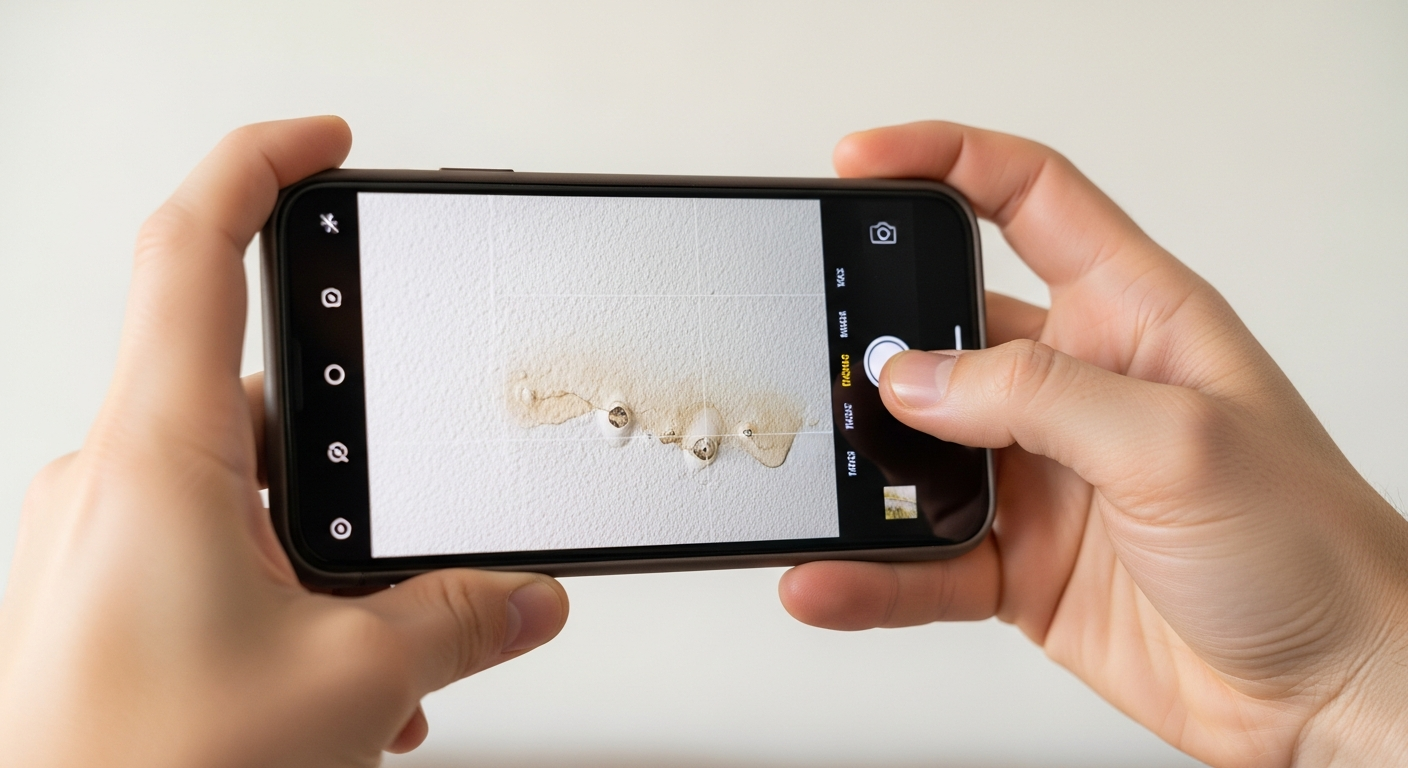
Before altering the scene, safely document the damage with photographs and video. You should then give prompt notice of the loss to the carrier. Delaying the reporting of your claim can prejudice the carrier's ability to investigate, which can jeopardize your coverage. You will also need to assist in documenting the cause, scope, and value of the loss throughout the process.
2. Protect & Mitigate Damage
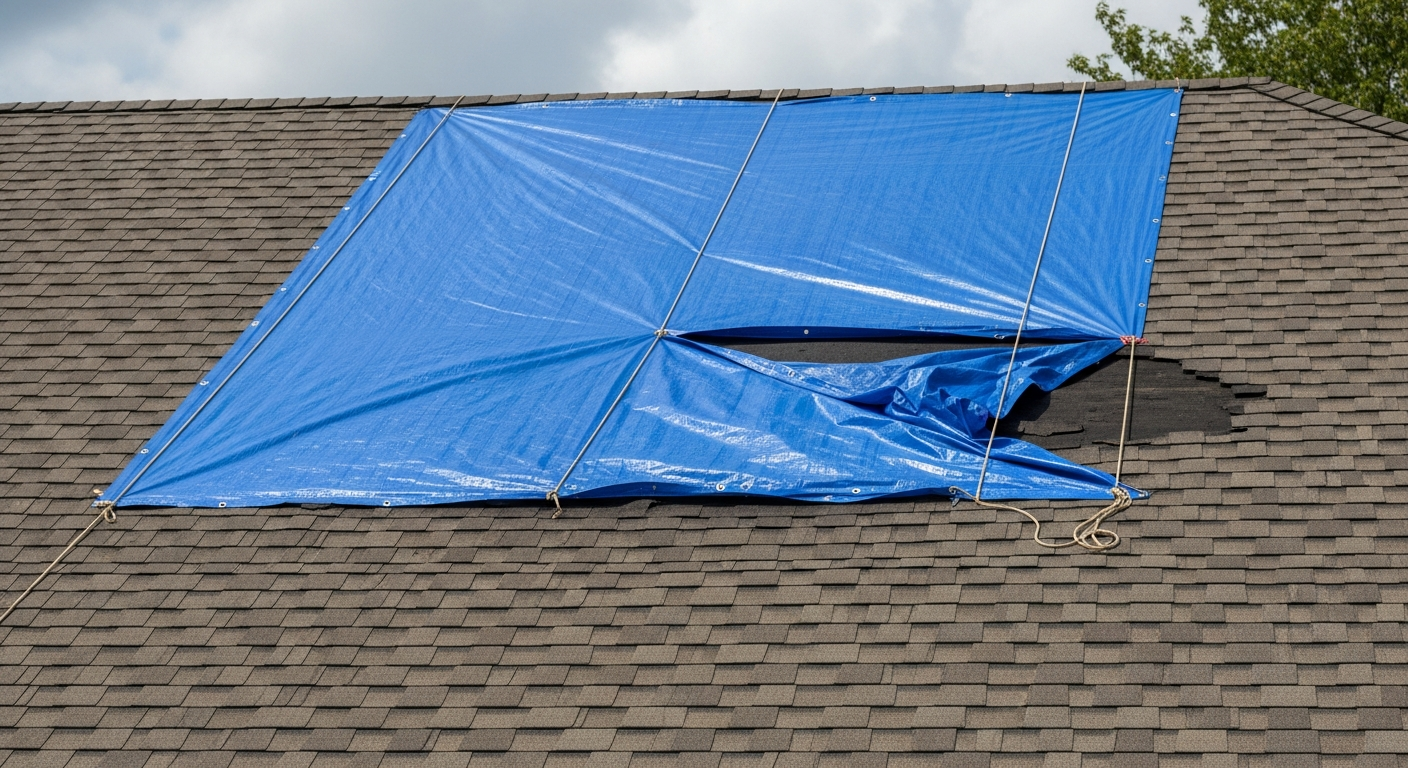
You are required to protect the property from further damage and make reasonable temporary repairs if needed. This might include placing a tarp on a damaged roof, boarding up broken windows, or extracting standing water. You should keep records and receipts for emergency measures or repairs, as they are typically reimbursable. Additionally, do not discard key evidence before inspection unless absolutely necessary for safety or mitigation.
3. Separate & Inventory Damaged Property
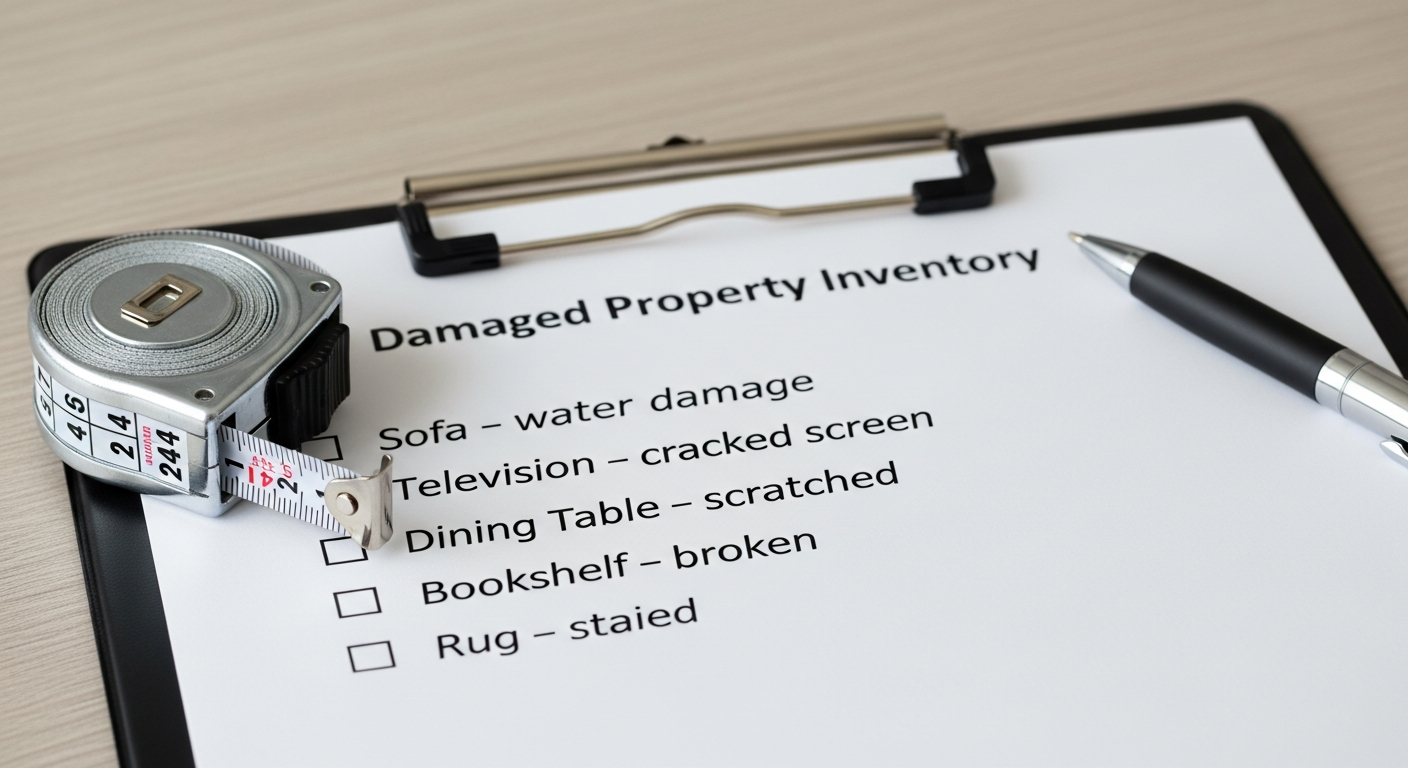
You should separate damaged from undamaged property when applicable and put it in the best possible order. Furthermore, you may be required to submit a list or inventory of damaged personal property, if applicable, detailing the quantity, description, age, replacement cost, and amount of loss claimed.
Additional Mandatory Requirements
Inspection & Cooperation
- Allow the insurer to inspect the damage
- Show the damaged property if requested
- Cooperate with the insurer's investigation
Provide Requested Documents
You are typically required to provide requested documents and records such as receipts, financial records, leases, and repair estimates to support your claim.
Formal Declarations
- Provide a sworn proof of loss if required
- Sit for an examination under oath if required
Strict Compliance
You should carefully comply with policy conditions and deadlines to protect your rights under the insurance contract.
What is a Sworn Proof of Loss?
A Sworn Proof of Loss is a formal, notarized document submitted to your insurance carrier that officially states the value of your claim. It typically includes the following essential elements:
Important: Mistakes, omissions, or misrepresentations in a Sworn Proof of Loss can lead to claim delays, underpayment, or outright denial. It is a formal document that often requires close adherence to statutory deadlines.